The Most Common Summer Weeds in Hoover, Alabama
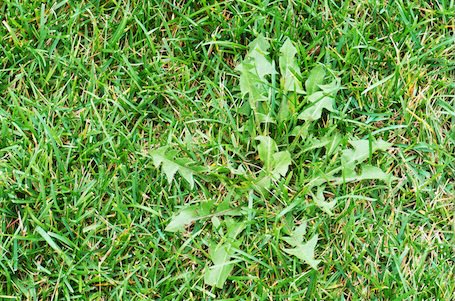
Hot, humid summers in Hoover give warm-season weeds everything they want. If you are seeing patches in Bermuda or Zoysia, you are not alone. Below are the most common weeds in Alabama lawns during the summer, how to recognize them, and what helps keep them from coming back. For season-long results, a professional lawn fertilization and weed control plan is the simplest path to a cleaner, thicker yard.
Our team at Running Roots Lawn Care serves neighborhoods across Hoover, from Bluff Park to Riverchase and Trace Crossings. We focus on accurate identification first, then a program that targets roots and seeds. That is how we handle common summer weeds in Hoover Alabama without guesswork.
Why Summer Weeds Explode in Central Alabama Lawns
From late May through September, soil temperatures stay high and afternoon storms are common. That combination speeds up seed germination and spreads new growth into thin turf. Compacted clay soils in many Hoover yards also hold heat and moisture, which favors summer weeds more than desirable grass.
- Frequent pop-up showers move seed and pieces of weeds downhill into low spots and along curbs.
- Thinner areas near driveways, mailbox posts, or new sod seams warm faster and invite invasion.
- Shaded edges by fences and tree lines stay damp, giving opportunistic weeds a head start.
Thick, actively growing turf is your best defense against summer weeds. Professionals build density over time with nutrition and well-timed treatments so invaders have less open space to exploit.
How to Identify Crabgrass in Bermuda and Zoysia
Crabgrass is a classic summer annual that hugs the soil, then sprawls into star-shaped mats. Stems are often purplish at the base, with wide blades and finger-like seedheads later in summer. In thin Bermuda and Zoysia, it forms light-green circles that stand out from the uniform turf.
- Low, spreading growth that radiates from a central crown
- Wider, lighter-green leaves than your lawn grass
- Multiple “fingers” of seedheads rising in mid to late summer
For homeowners searching for crabgrass control Hoover AL, the key is a program that stops new plants before they sprout and clears existing patches without injuring warm-season turf. Crabgrass loves heat and bare soil, so it returns wherever turf is open or stressed.
Nutsedge: Shiny Triangular Grass That Hates Mowing
Nutsedge is not a true grass but a sedge. It has a triangular stem you can feel between your fingers, glossy leaves, and it pops up taller than the surrounding lawn only a few days after mowing. Yellow nutsedge is most common in Central Alabama, but purple nutsedge also appears in persistently wet spots.
This plant thrives where water lingers, like near downspouts, sprinkler low spots, or compacted clay. Topping it with a mower does little, because growth points sit low and recover quickly. If you are weighing nutsedge treatment Alabama options, remember: Nutsedge spreads by underground tubers, so disturbing the soil often makes it worse. Targeted professional treatments timed for active growth make the biggest dent and reduce future flare-ups.
Spurge: Low-Mat Weed That Loves Heat
Spurge hugs the ground in thin, sunny areas. It forms flat, red-tinged mats with many small leaves on pinkish stems. When cut or broken, many species release a milky sap. You will spot it first along driveways, walkways, and any place turf thins from foot traffic or heat.
Because it grows flat and fast, spurge can carpet open soil in only a couple of weeks during peak heat. Its low profile helps it dodge mower blades and fill gaps faster than turf can recover. Preventing the next generation of seedlings is key, combined with building thicker grass where it keeps returning.
Dallisgrass vs. Crabgrass: Clumping Patches You Cannot Ignore
Dallisgrass forms tough, perennial clumps that come back each year from the same crown. The clumps feel coarse, stand taller than Bermuda, and spread outward by short rhizomes. Seedheads are thicker than crabgrass and often show black speckles along the stems.
Unlike crabgrass, which dies with the first frost, dallisgrass survives winter and expands its footprint season after season. That is why scattered clumps in spring turn into small colonies by late summer. Dallisgrass is a perennial clump former, so it requires a different strategy than annual summer weeds.
Prevention That Works in Hoover Yards
If you are searching for weed control Hoover Alabama or broader lawn weed prevention, results come from a year-round plan, not one-off sprays. Professionals time pre-emergent applications before peak germination windows, then follow with targeted treatments as different weeds become active. At the same time, steady nutrition and cultural adjustments help your turf close ranks and crowd out invaders.
At Running Roots Lawn Care, our technicians tailor scheduling to local weather and soil conditions across Hoover. When your lawn needs extra support, we layer services from our lawn services menu to thicken grass where weeds keep exploiting thin turf. For homeowners with Bermuda, we also watch for patterns tied to sports schedules and heavy play, since summer weeds in Bermuda grass often follow traffic and heat.
Consistent, season-long care makes the biggest long-term difference. Quick fixes fade, but a proactive plan reduces seeds, roots, and stress points that trigger new outbreaks.
Neighborhood Notes: What We See in Bluff Park, Riverchase, and Trace Crossings
Bluff Park’s hills create runoff lines that carry seeds to the bottoms of slopes and along driveway edges. In Riverchase, heavier clay soils hold moisture after storms, which is why nutsedge and dallisgrass flare in low pockets. Trace Crossings includes newer construction and highly used common areas, so thin seams along sidewalks and around mailboxes are frequent entry points for spurge and crabgrass.
Across Hoover, sunny curb strips and street corners heat up fast and often show the first signs of invasion. Shaded backyards by tree lines tell a different story, where damp soil gives nutsedge the edge. Our programs track these patterns so the right areas get the right attention at the right time.
When to Bring in a Pro and What to Expect
Calling a pro is smart when weeds keep returning to the same spots, when you are seeing more than one species at a time, or when the lawn thins even after regular mowing and watering. A trained technician identifies exactly what is present and why it is thriving, then times treatments to the growth stage for each plant. You should expect a clear plan, scheduled visits, and honest updates about turf density and trouble zones.
If you want less trial and error, our weed control program is built for Hoover’s heat, humidity, and storm patterns. We combine timing, targeted applications, and nutrition so the lawn strengthens while weed pressure drops. That is how we deliver cleaner, greener results without guesswork.
Call for Help With Summer Weeds in Hoover
You deserve a yard that looks great in July and August, not just in spring. Talk with Running Roots Lawn Care to get a plan that reduces seed spread, targets stubborn perennials, and builds turf density through the warm months.
Questions about crabgrass, nutsedge, spurge, or dallisgrass? Call us at 205-200-2602 or schedule service through our page for lawn fertilization and weed control. We are ready to help your Hoover lawn look its best all summer long.

Enjoy Your Yard Again With Our Weed Control & Fertilization Services in Hoover & Surrounding Areas