Late Summer Lawn Diseases in Alabama: What Homeowners Should Watch For
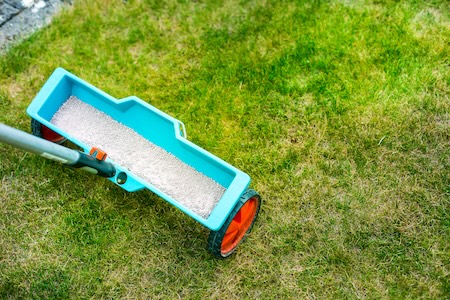
By late summer in Hoover, sticky air, warm nights, and pop-up storms create perfect turf disease weather. If your Bermuda or Zoysia suddenly shows circles or streaks after a muggy week, it may be lawn fungus. A professional evaluation and a seasonally timed plan, like our lawn fertilization and weed control services, helps protect your yard before small spots turn into bare areas.
Why Alabama’s Late Summer Triggers More Lawn Fungus
From July into early September, our nights stay warm and the air stays humid. Afternoon showers soak the lawn, then moisture lingers on the leaf blades. That extended leaf wetness is a starter pistol for summer lawn diseases in Alabama.
Hot, humid nights are the perfect setup for turf fungus in Alabama. In Hoover neighborhoods like Bluff Park, Riverchase, Ross Bridge, and Trace Crossings, shaded pockets, clay-heavy soils, and uneven drainage can make some yards more vulnerable than others.
Brown Patch and Large Patch: The Expanding Rings
Brown patch lawn disease (often called large patch in warm-season turf) loves Alabama’s warm nights. It creates tan or orange-brown circles that can merge into big, irregular shapes. The edge may look darker or “smoked,” and the center can green up again, forming a ring.
Homeowners in Hoover report it first in low spots or near downspouts where the lawn stays damp longer. Zoysia, St. Augustine, and Bermuda can all be affected. If the same areas flare up year after year, the disease likely overwinters in that turf and wakes up when conditions return.
Dollar Spot: Small Scars That Multiply Fast
Dollar spot starts as tiny, straw-colored spots about the size of a quarter. Those spots can merge into larger bleached patches, leaving the lawn with a “scuffed” look. On individual blades, you may notice hourglass-shaped lesions with tan centers and reddish-brown edges.
It often shows up on areas that are a bit hungry. Thin turf with low fertility and heavy dew is a prime target in late summer. The scars can linger even after weather shifts, which is why proactive treatment matters.
Pythium Blight: The Rapid Collapse After Stormy Nights
Pythium is the fast mover. After hot, stormy evenings, you might see greasy-looking, matted turf where water collected or ran downhill. At daybreak, a cottony film can appear on the grass in severe cases. By afternoon, those areas can look collapsed or water-soaked.
This disease follows moisture paths. You will often notice streaks along mower lines or across slopes. Fungus spreads fast in late summer weather, so speed matters once you spot it.
Quick Visual Clues Hoover Homeowners Can Trust
- Brown patch or large patch: circular or ring-shaped areas that can look orange-brown, sometimes with a darker smoke ring at the edge.
- Dollar spot: small straw-colored dots that merge; blades show hourglass lesions with red-brown margins.
- Pythium blight: greasy, collapsed turf that tracks along drainage lines; may show a cottony cast at dawn.
Early detection prevents major turf loss. If you can spot these patterns before they join into larger dead zones, a pro can act while recovery is easiest.
What Makes Hoover Yards More At Risk
Our mix of shade trees, clay-rich subsoils, and frequent afternoon storms can trap moisture near the lawn surface. Thick weeds and overgrown bed edges also block airflow and keep turf damp.
- Compacted or clay-heavy areas that hold water after pop-up showers
- Dense shade that keeps grass blades wet late into the morning
- Heavy thatch or a thick layer of clippings that traps humidity at the crown
- Weedy borders or tall bed edges that limit air movement across the turf
Keeping bed edges tidy improves airflow around the lawn. If beds are weedy or overgrown, consider targeted shrub beds weed control to reduce the damp, sheltered zones where fungus thrives.
Lawn Diseases In Alabama: How Pros Diagnose And Treat
A trained tech starts with a site walk. They look for moisture patterns, shade, grass type, mowing height, and traffic. They review weather the past few weeks. Some cases call for lab confirmation, but many fungal lawn problems are identified in the field based on patterns alone.
From there, a professional plan targets both the disease and the reasons it took hold. That often includes seasonally timed fungicide rotations, calibrated nutrition, and precise adjustments to reduce leaf wetness. In stubborn locations, your technician may talk about improving drainage or timing key services when recovery potential is highest.
If you want to understand how Running Roots Lawn Care approaches lawn diseases in alabama, look at the whole year, not just one spray. Healthy, well-fed turf rebounds faster from grass disease in summer and is less likely to show repeat damage in September.
Brown Patch vs. Dollar Spot vs. Pythium: Where They Show Up
In Hoover’s rolling neighborhoods, disease often starts where conditions are most extreme. Brown patch favors sun-exposed low spots that stay wet after storms. Dollar spot likes areas that are a bit lean on nutrients, such as edges along driveways or curb strips that get skipped or stressed by heat. Pythium follows flow, so look at slopes, downspout outlets, and mower lines after a hot, wet evening.
If you notice patches growing overnight after a muggy storm, act fast and schedule a pro visit. Quick attention limits spread and preserves more of your summer color while the weather is still working against you.
Why Fertility Matters During Late Summer
Well-timed nutrition helps the lawn close ranks and heal. Thin, nutrient-starved zones are easier for disease to damage and are slower to recover. A balanced plan supports both color and density so the turf resists future outbreaks when heat and humidity spike again.
That is why many Hoover homeowners rely on a season-long program rather than one-off fixes. An integrated service keeps weeds in check, strengthens roots, and applies products when they will do the most good. It also times support for recovery in early fall so the lawn can thicken before cooler nights arrive.
What Homeowners Should Watch For Right Now
We’re at the part of the year when a few days of muggy weather can bring problems to the surface. Scan your yard after evening storms and first thing in the morning. If something looks off, keep an eye on whether the patch expands quickly or follows water paths.
With a professional assessment, Running Roots Lawn Care will map where moisture collects, check grass type and density, and design a treatment plan that suits your specific yard. If you smell a musty odor or see greasy turf after a hot night, call a pro right away. You can reach us at 205-200-2602 for a prompt visit.
How Running Roots Lawn Care Helps Hoover Lawns Bounce Back
Strong lawns do not happen by accident. A coordinated plan blends nutrition, weed control, and targeted disease treatments to protect the investment you have made in your home. Our technicians know local grasses and the common triggers that set off outbreaks in Hoover’s late-summer pattern.
When your yard needs focused care, the team will recommend timing that fits your turf’s growth cycle and the forecast. That is the safest route to lasting results, not just a quick color pop that fades when the next humid spell hits.
Ready To Protect Your Lawn Before Spots Spread?
Late summer is when small problems can turn into big ones. If you are seeing circles, streaks, or sudden color changes, get eyes on it now. Our team can craft a plan that strengthens your turf and treats the active disease. Start with our lawn disease treatment in Hoover AL and keep your yard on track for a healthier fall.
When you want a responsive lawn care company Hoover Alabama homeowners trust, Running Roots Lawn Care is here to help with diagnosis and a seasonally tuned plan that matches your property. Call 205-200-2602 today and let’s get your lawn moving in the right direction.

Enjoy Your Yard Again With Our Weed Control & Fertilization Services in Hoover & Surrounding Areas